
UK Slaps Sanctions on Russian Media: A Comedy of Cyber Errors!
Britain announced sanctions against Russian media and ideas outlets to combat “Russian information warfare.” Foreign Secretary Yvette Cooper highlighted the need to counteract cyber threats and disinformation campaigns, which include fake websites and manipulated videos. These efforts aim to protect national interests and bolster Western support for Ukraine amid ongoing geopolitical tensions.
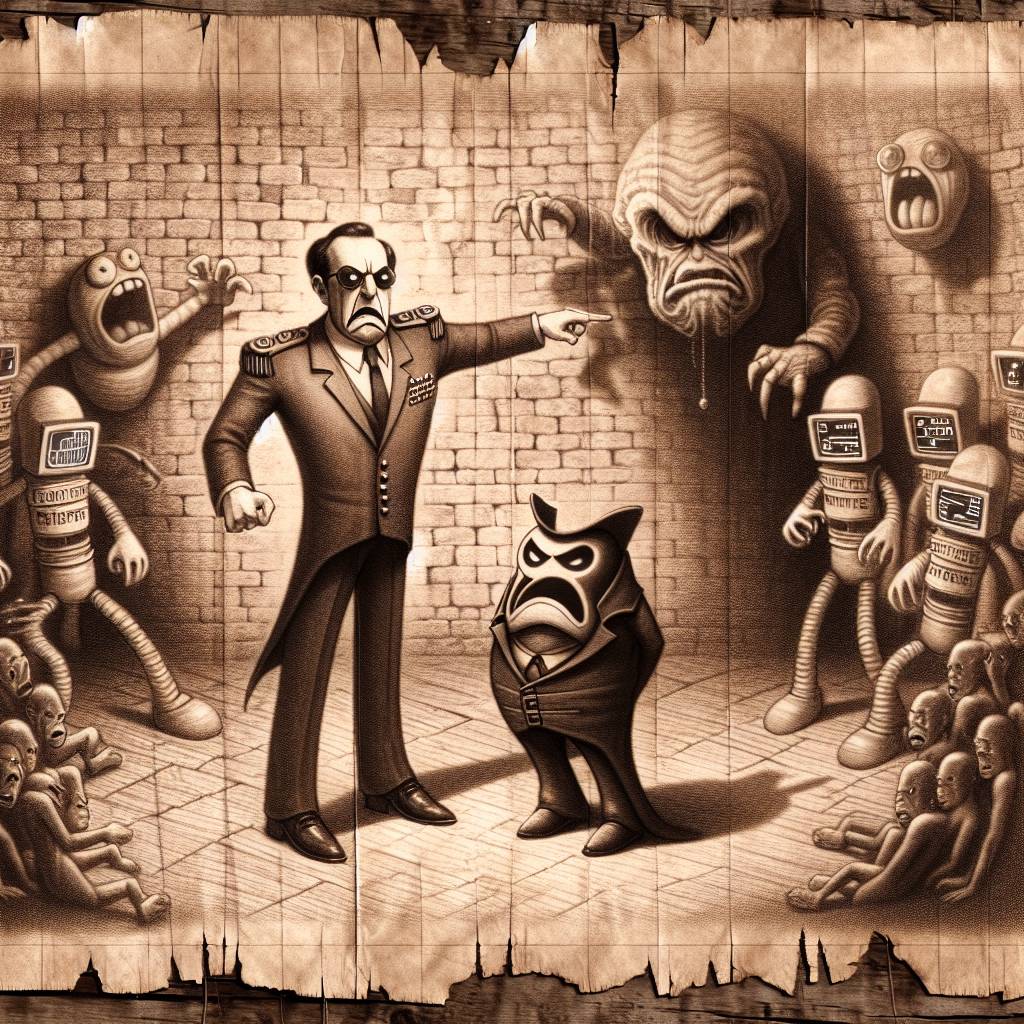
Hot Take:
Looks like Britain is playing whack-a-mole with Russian propaganda channels and Chinese cyber spies. It’s like a game of international whodunit, but instead of Colonel Mustard with a candlestick, it’s Putin with a disinformation campaign and China with a keyboard. Pass the popcorn, please!
Key Points:
- Britain announced sanctions against Russian and Chinese entities involved in disinformation and cyber activities.
- Sanctioned Russian entities include the Telegram channel Rybar, the Foundation Pravfond, and the Center for Geopolitical Expertise.
- Sanctioned Chinese firms i-Soon and Integrity Technology Group are accused of vast cyber activities against the U.K. and allies.
- Foreign Secretary Yvette Cooper highlighted the hybrid threats from malign foreign states undermining democracy and infrastructure.
- Cooper called for increased international cooperation amidst concerns over the U.S.’s commitment to NATO.
Sanctioned Soup of the Day
In a bold move that rivals a plot twist in a spy novel, Britain has decided enough is enough and slapped sanctions on a batch of Russian and Chinese entities. The list reads like a who’s who of digital mischief-makers. Up first, we have Rybar and its co-owner Mikhail Sergeevich Zvinchuk, described as a microblogging menace. Then there’s Pravfond, the not-so-charitable charity linked to Russia’s GRU, and Alexander Dugin’s think-tank, which apparently prefers geopolitical chess over checkers. And let’s not forget the two Chinese companies, i-Soon and Integrity Technology Group, who thought hacking was a group activity. Britain’s message is clear: Keep your phishing rod out of our pond!
Cooper’s Call to Arms
In a speech that could have used a drumroll and a spotlight, Foreign Secretary Yvette Cooper rallied the troops against what she deemed a full-on information warfare. Britain isn’t just playing defense; it’s going on the offensive like a cybersecurity Rambo. Cooper warned that these foreign threats are sneakier than a ninja in a blackout, using everything from AI-generated social media posts to manipulated videos to sow discord. It’s like a bad episode of “Black Mirror,” but with real-world consequences. The UK isn’t having it and is all geared up to defend its democracy from these digital nincompoops.
Fake News Fiesta
British officials are pointing fingers faster than a toddler in a cookie jar raid, accusing foreign actors of meddling in everything from Moldova’s elections to Ukraine’s presidential reputation. With fake websites, doctored videos, and political ads, it’s like a misinformation carnival. Zelenskyy and his wife are the latest targets in a series of attacks designed to erode Western support for Ukraine. But Britain isn’t just sitting idly by; it’s calling out these shenanigans faster than you can say “cyber catfish.”
Peace Treaty Throwback
Cooper’s speech wasn’t just about current affairs; she added a sprinkle of history by marking the 100th anniversary of the Locarno Treaties. It seems she’s not just about throwing geopolitical shade; she’s also got a thing for historical parallels. Just like the treaties once bolstered peace in Europe post-WWI, Cooper is advocating for similar international cooperation today. She’s got her eye on the ball, reminding everyone that unity is key, even if a certain former U.S. president seems to prefer solo acts over ensemble harmonies.
Transatlantic High Five
Cooper’s recent rendezvous with U.S. Secretary of State Marco Rubio had her singing a duet of transatlantic camaraderie. Despite the U.S.’s current internal waltz with uncertainty, Cooper’s message was clear: Britain and the U.S. are still BFFs, especially when it comes to NATO’s dance card. Cooper looks at Europe and sees strength, not the gloomy picture some have painted. Her message? Europe’s got its groove back, and Britain is ready to lead the conga line of defense investment. So, while the world might be a stage filled with cyber tricksters and propaganda puppeteers, Cooper and her allies are ready to take the spotlight and raise the curtain on a new era of cooperation.