
Phishing 2.0: How AI is Making Cybercriminals Smarter and Our Inboxes Creepier
Phishing continues to be a major threat in the cyber landscape, with AI making attacks faster and more convincing. Cybercriminals now use AI for personalized and scalable campaigns, posing new challenges for organizations. To combat phishing, businesses must adopt modern defense strategies focusing on identity protection and advanced threat detection.
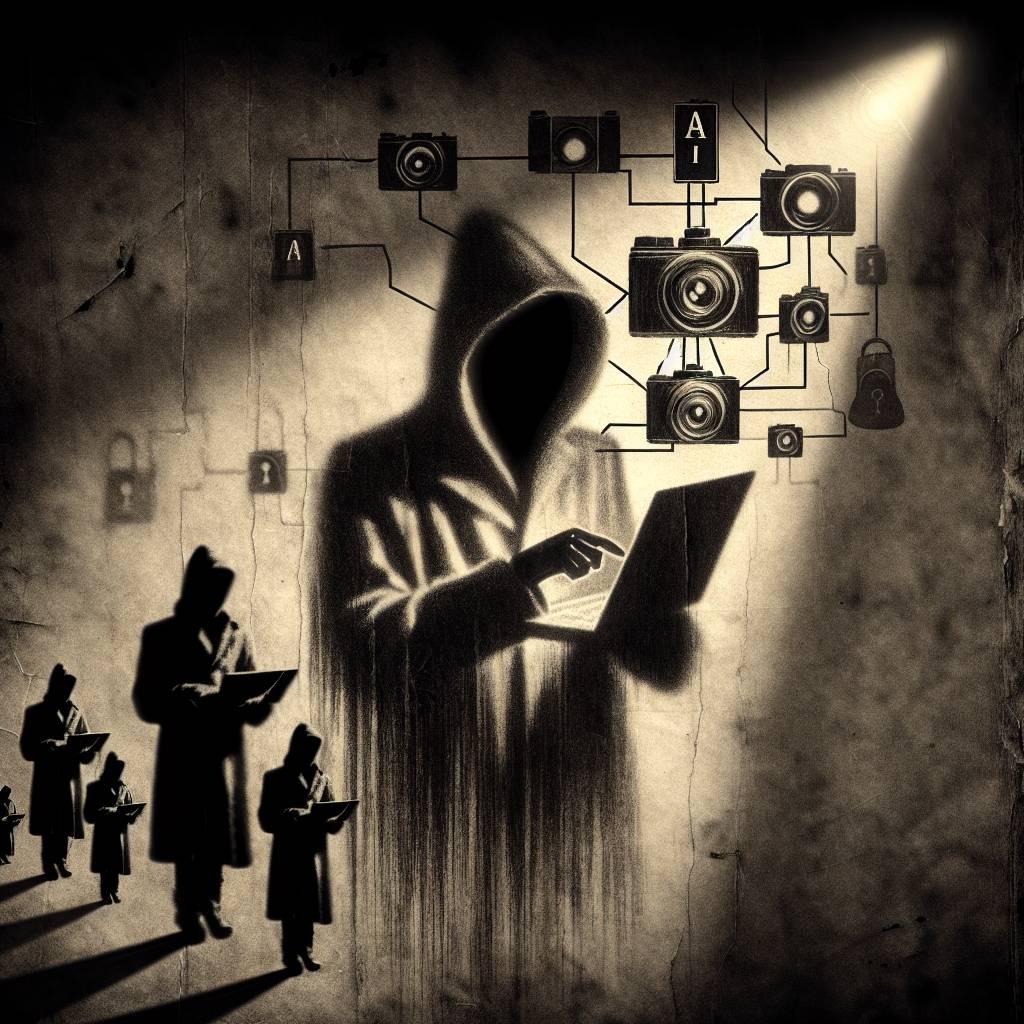
Hot Take:
Phishing: the gateway drug of the cybercrime world. It’s like the digital version of a pickpocket, and now with AI, it’s got a PhD in swindling. Who knew cybercriminals were such overachievers? The age-old advice of “don’t talk to strangers” just got a tech-savvy upgrade to “don’t click on that LinkedIn message from your ‘CEO’ asking for gift cards.”
Key Points:
- Phishing remains a top cyber threat, with AI making attacks more sophisticated and personalized.
- AI-driven phishing targets HR, IT, finance, and payroll, making traditional detection methods less effective.
- Phishing now extends beyond email to social media, messaging apps, and even real-time voice and video impersonation.
- Organizations need advanced identity detection, adaptive authentication, and continuous employee education to combat these threats.
- Identity is now the primary target for cybercriminals, necessitating a shift in defense strategies.
Already a member? Log in here