
Beware: Fake Kidnapping Scams Hijack Your Social Media Pics!
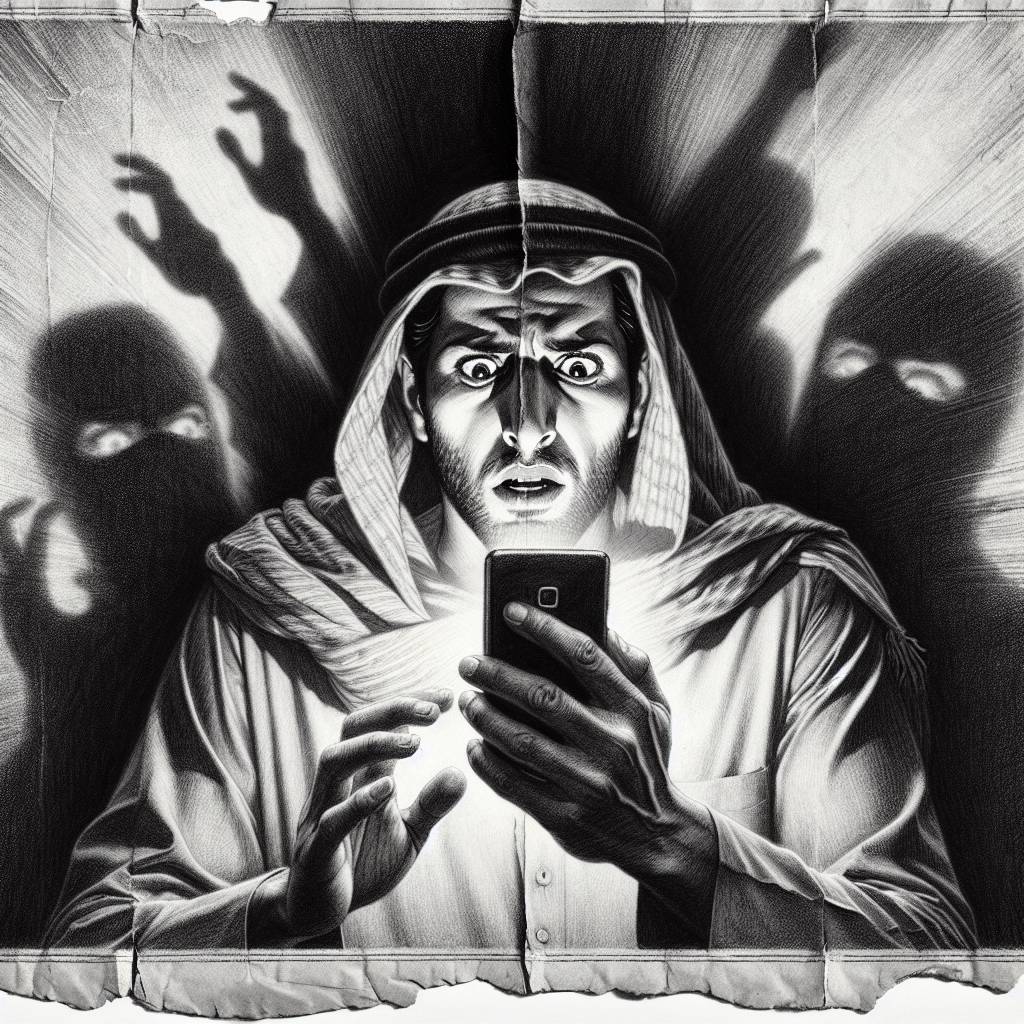
The FBI warns about a new twist on virtual kidnapping scams involving altered images from social media. Criminals send manipulated “proof of life” photos to pressure victims into paying ransoms, even though no actual kidnapping occurs. Be cautious, verify claims, and establish a family code word to combat these scams effectively.
Hot Take:
Who knew that the “Photoshop Master” classes would pay off for criminals? The FBI is on high alert, warning us all that those social media selfies could be starring in their very own virtual kidnapping drama. Yes, folks, it’s like your vacation photos are now auditioning for a crime show! So next time you post a picture, remember: it could end up in a ransom note near you.
Key Points:
– Criminals are using manipulated images from social media for virtual kidnapping scams.
– Victims receive text messages claiming a loved one has been kidnapped, demanding ransom.
– The FBI emphasizes these scams involve no real abduction but use fake proof-of-life images.
– Public advice includes not sharing personal info with strangers and using family code words.
– BleepingComputer reports multiple instances of scams spoofing phone numbers.